
The Guide to Living in Bangkok Long-Term
ต่อทอง ทองหล่อ
26 February, 2026 at 11.21 am
A Complete Guide for Asians—Especially Singaporeans—Considering an Extended Stay in Thailand
Why Bangkok Is Becoming a Second Home for Asians and Singaporeans
For many residents of Singapore, Bangkok began as a short holiday destination. Today, it is increasingly viewed as a viable city for long-term living. The appeal lies in its ability to offer metropolitan convenience, modern infrastructure, and cultural depth at a significantly lower cost base. What once felt like a weekend indulgence is now, for many Asians, a strategic lifestyle decision.
Cost Advantage Without Sacrificing Comfort
One of Bangkok’s strongest advantages is affordability. Rental prices for modern condominiums are substantially lower than comparable properties in Singapore. It is common to find high-rise residences with rooftop pools, fitness centers, security systems, and co-working spaces at a fraction of Singapore’s rental cost. Dining, wellness services, and transportation are equally accessible. This financial flexibility allows residents to maintain a high standard of living while preserving savings or reallocating resources to business and investment pursuits.
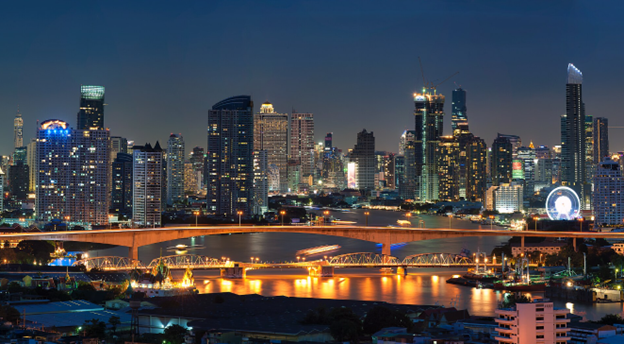
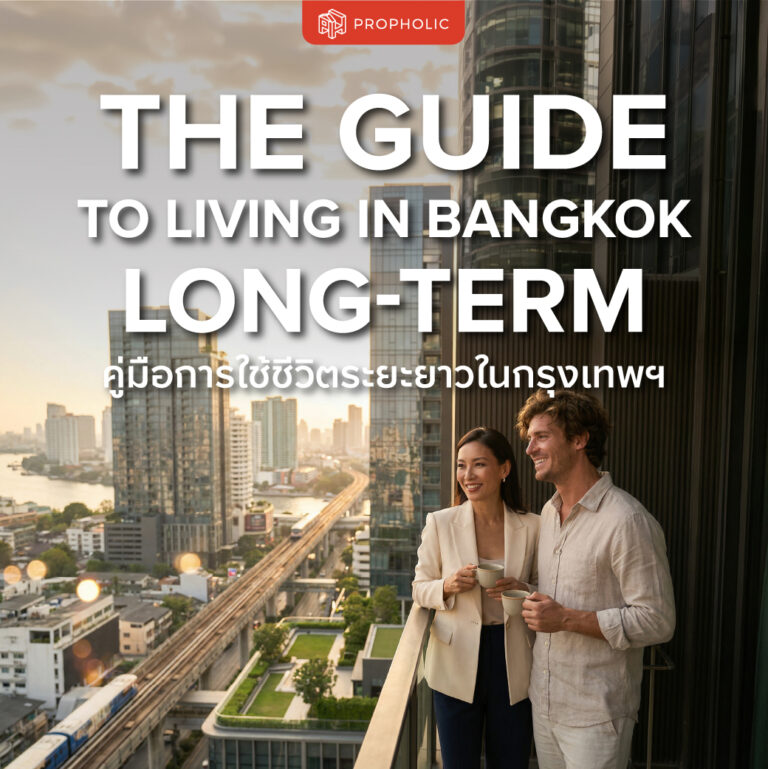
Photo credit: https://en.wikipedia.org/wiki/Bangkok
Infrastructure and Healthcare Standards
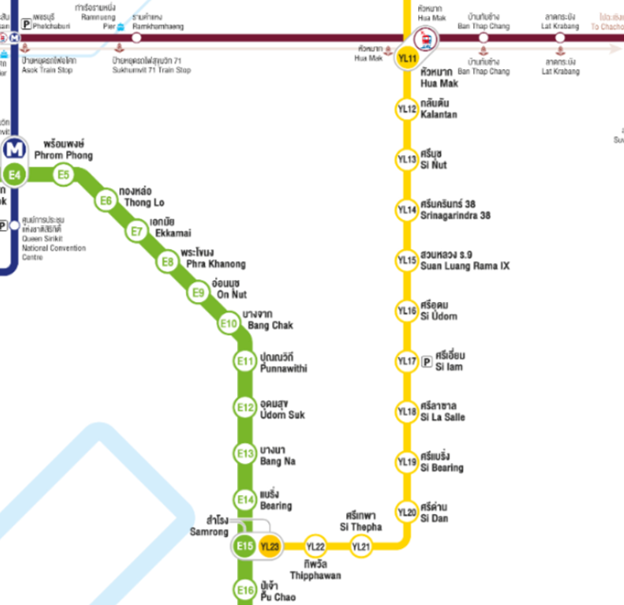
Bangkok offers reliable infrastructure that meets international expectations. The BTS and MRT systems provide efficient urban connectivity, high-speed internet supports remote work, and healthcare standards are globally recognized. Hospitals such as Bumrungrad International Hospital and Bangkok Hospital serve international patients and maintain strong reputations for medical excellence. For long-term residents, this level of healthcare access provides reassurance and stability.

Photo credit: https://www.bangkoktransitmap.com/
The Trade-Offs to Consider
No relocation decision is complete without acknowledging limitations. Traffic congestion remains a daily reality in certain districts, making proximity to rail transit essential. The tropical climate is consistently warm and humid. Visa policies require proactive planning, as long-term residency options differ depending on age, purpose of stay, and financial capacity. While English is commonly spoken in central areas, language barriers may occasionally arise outside business districts.
Understanding Visa Pathways
Visa strategy is foundational to any long-term stay. Singapore passport holders typically enjoy visa-exempt entry for a limited period, though regulations should always be verified with Thai immigration authorities prior to travel. Tourist visas can extend stays beyond initial entry allowances. Education visas are available for those enrolling in Thai language programs, while retirement visas cater to individuals aged fifty and above. For those seeking extended multi-year residence with premium privileges, the Thailand Privilege Card provides long-term residency options under structured membership programs.
In summary, foreign nationals planning a temporary or extended stay in Thailand must select the appropriate visa category based on purpose, duration, and eligibility criteria. Common entry pathways include Visa Exemption and Tourist Visa (TR – single or multiple entry) for short stays; the Destination Thailand Visa (DTV) for digital nomads, remote workers, and individuals participating in approved soft-power activities; Non-Immigrant Visa Category B (Business/Work), Category ED (Education), and Category O (Family/Dependent) for specific purposes; Non-Immigrant O-A and O-X (Retirement Visas) for applicants aged 50 and above; the Long-Term Resident (LTR) Visa for high-net-worth individuals, skilled professionals, and remote executives; and the Thailand Privilege Visa for extended residency under membership programs. Applicants should also research key compliance requirements such as extension of stay, 90-day reporting, TM30 residence notification, re-entry permits, work permit regulations, health insurance requirements, financial evidence thresholds, and overstay penalties. As immigration policies are subject to change, all travelers are strongly advised to verify the latest regulations with the Thai Immigration Bureau or the nearest Royal Thai Embassy or Consulate before making relocation arrangements.