
Central Pattana Undertakes a Major 30-Year Transformation of Central Chiangmai Airport, Investing THB 1.2 Billion to Support Chiang Mai’s Global Tourism Growth
เกริก บุณยโยธิน
23 December, 2025 at 11.51 am
– ‘A new growth cycle’ driven by economic expansion, tourism momentum, and an enhanced quality of life, The city’s evolving urban landscape, expanding catchment areas, and rising spending power.
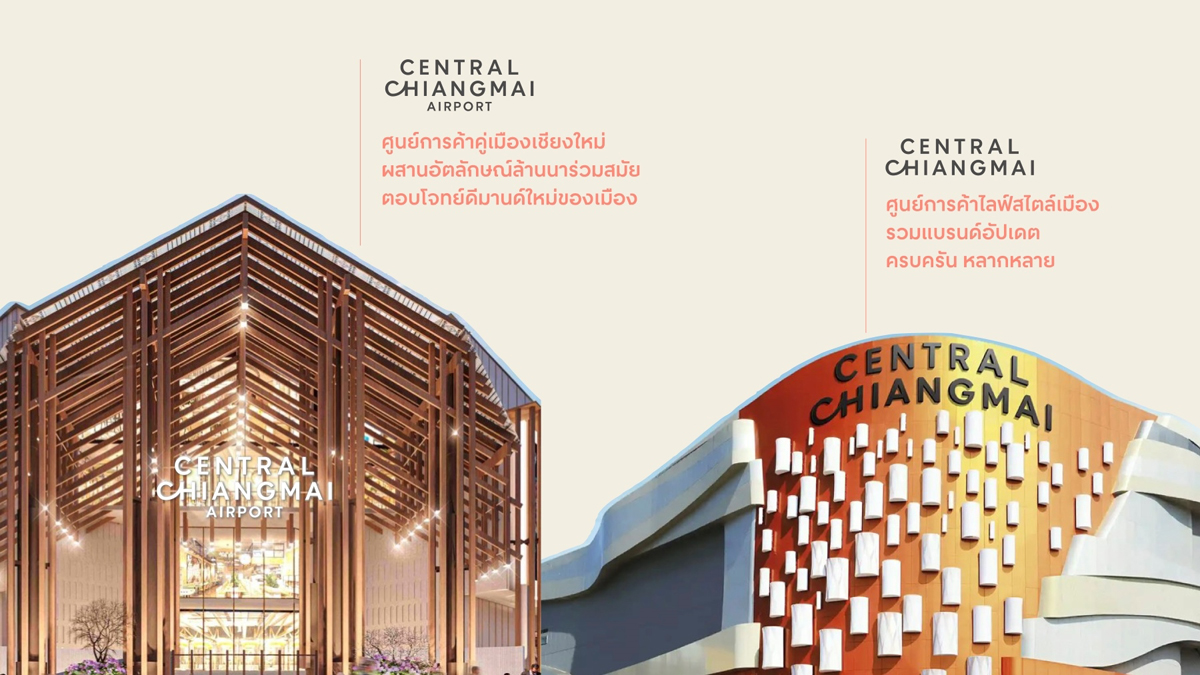
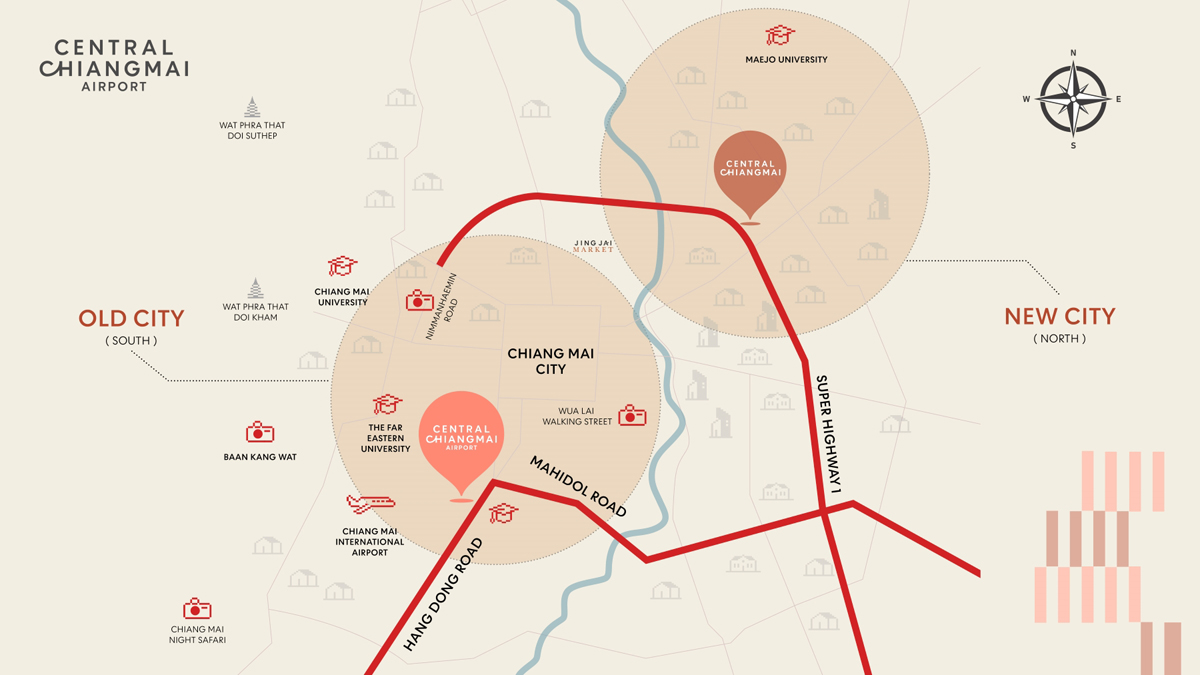
– Central Pattana’s two shopping centres in Chiang Mai, complement each other like interlocking pieces of a puzzle, connecting the Old City and the New City to generate cross-spending power across the province.
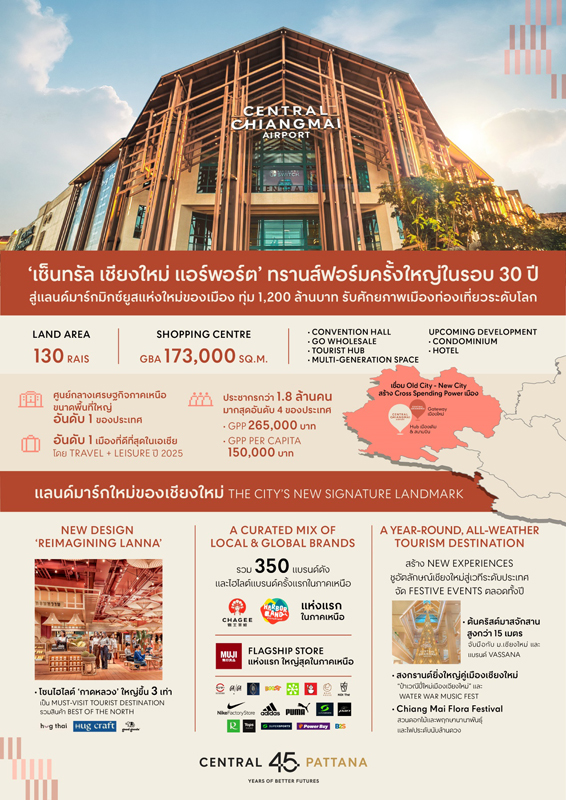
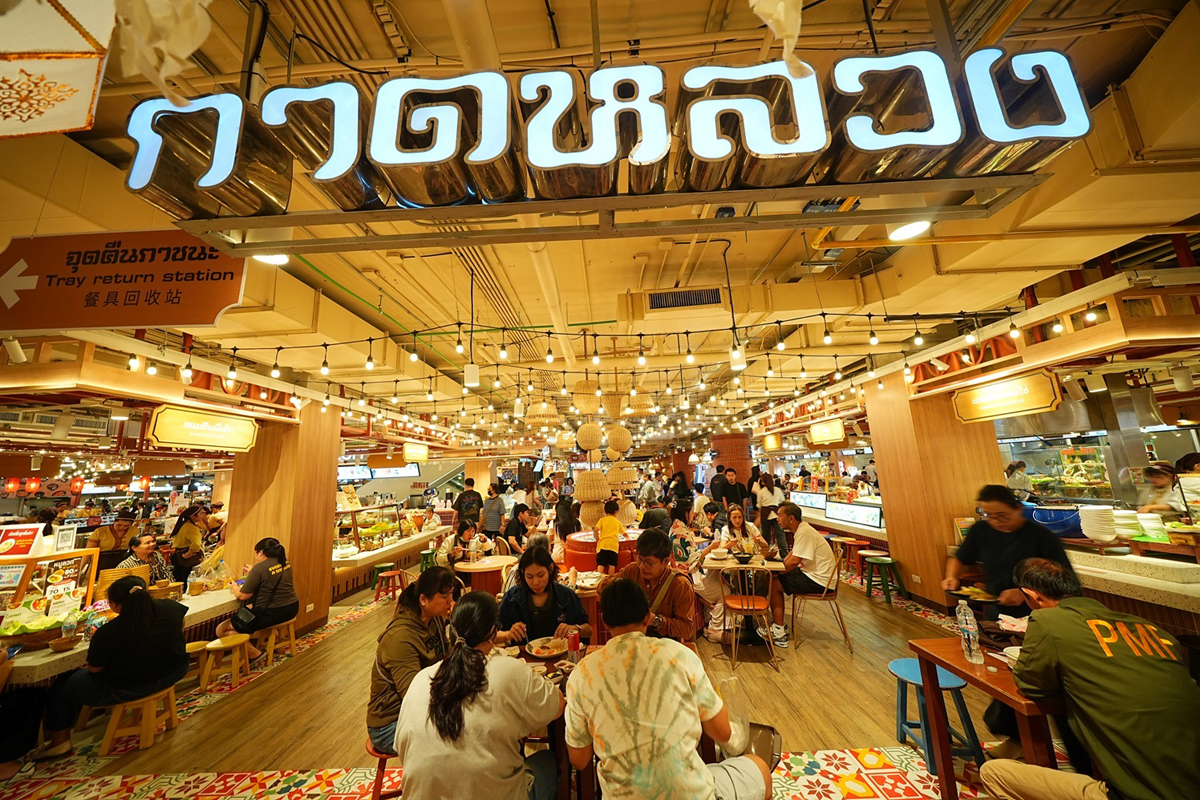
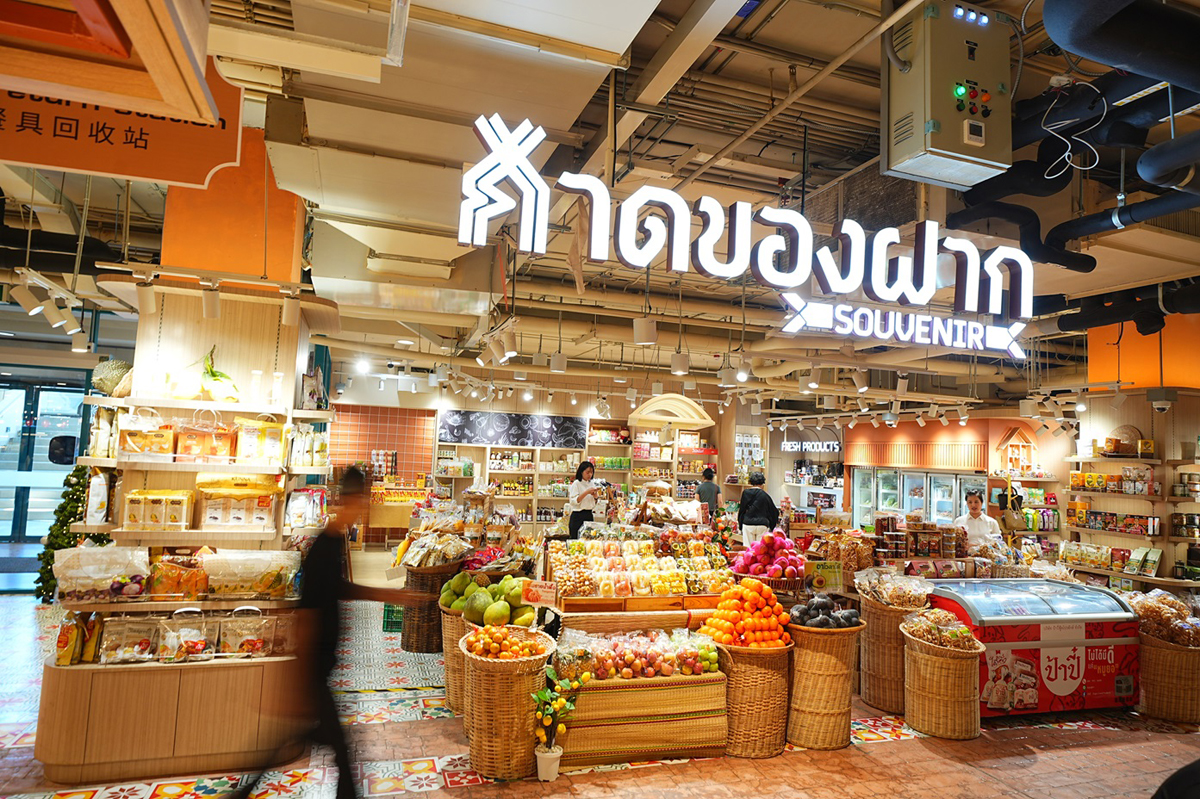
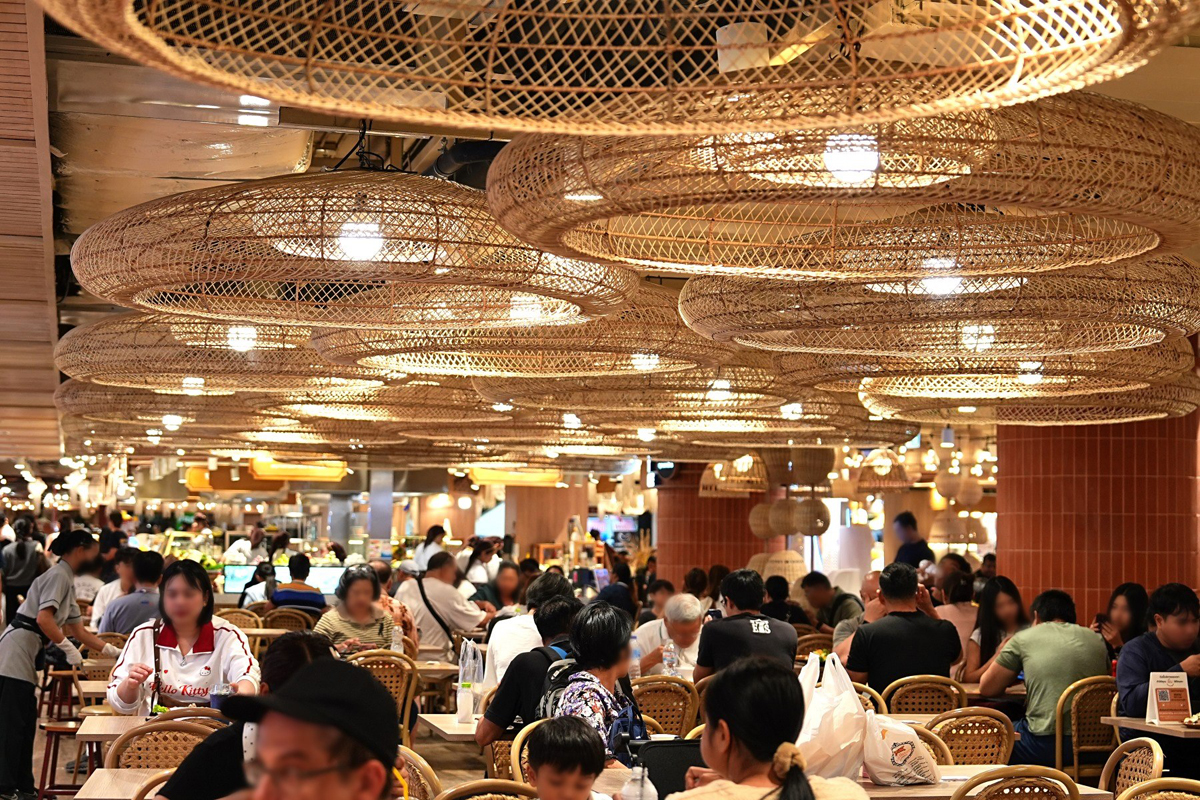
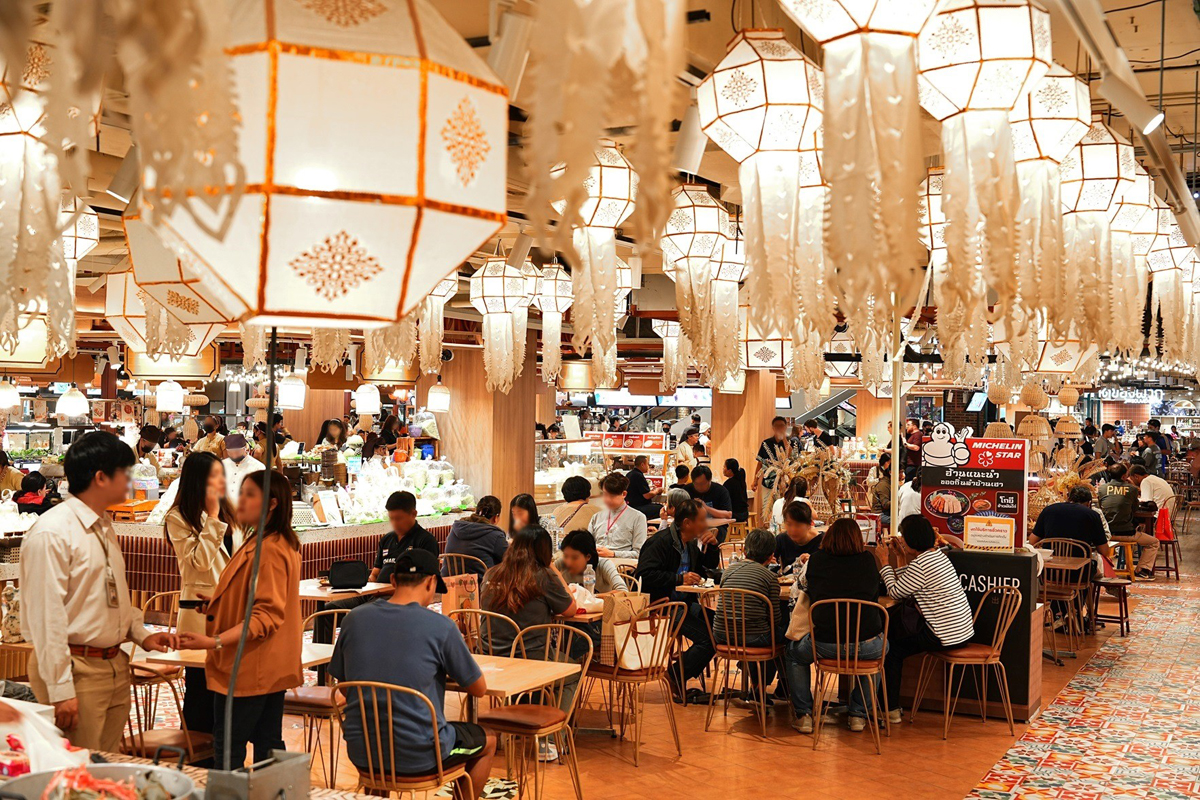
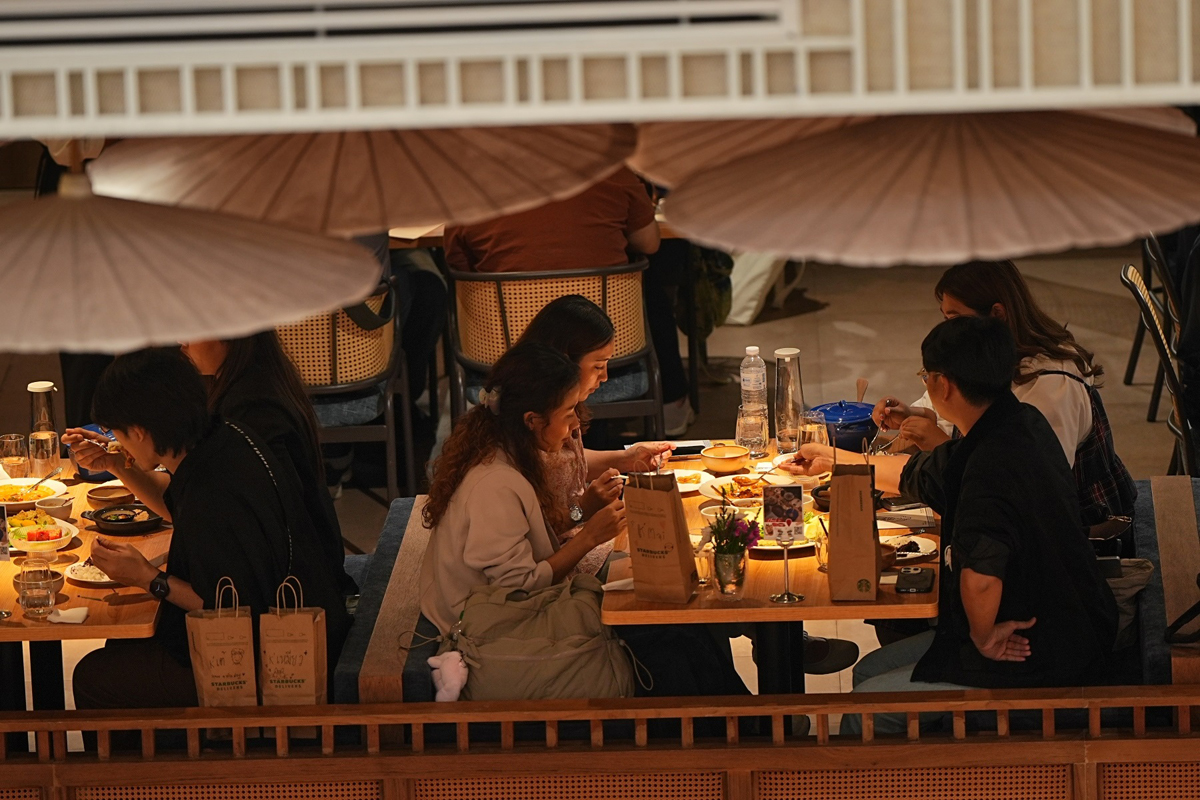
– Introduces a new mixed-use master plan and unveils a refreshed center-wide design under the “Reimagining Lanna” concept, reinterpreting Chiang Mai’s cultural identity through a contemporary lens, featuring a threefold expansion of the “Kad Luang” zone, bringing together over 100 Michelin-recognized eateries, local food brands, and curated souvenir shops.
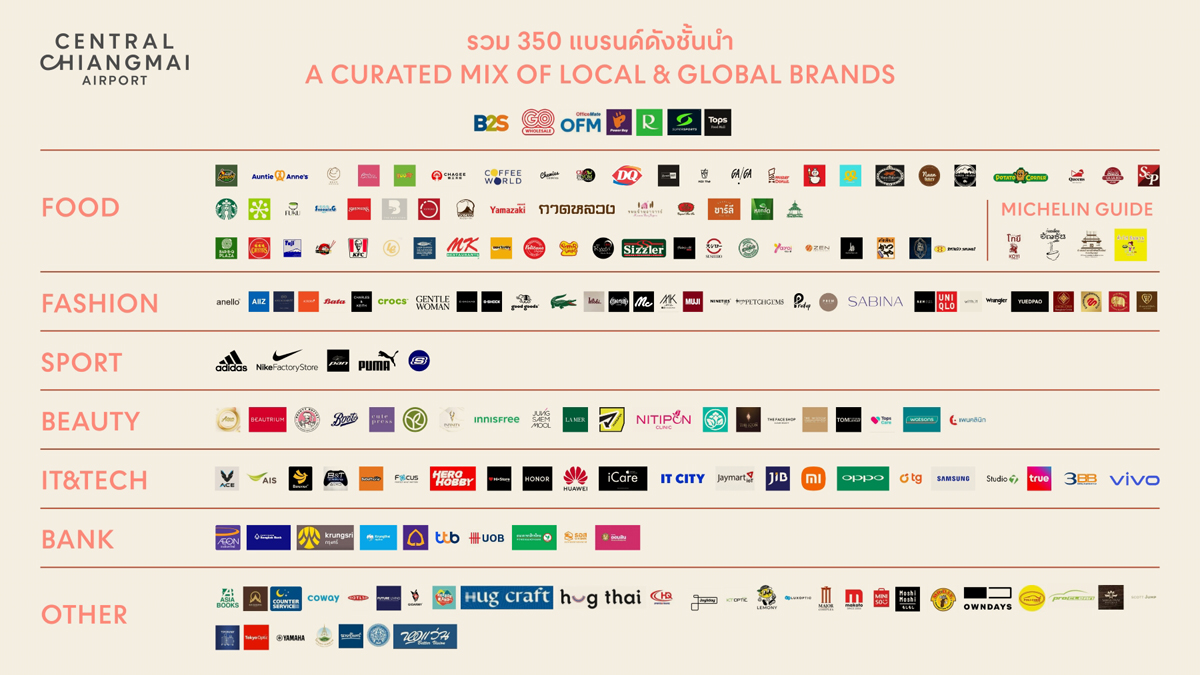
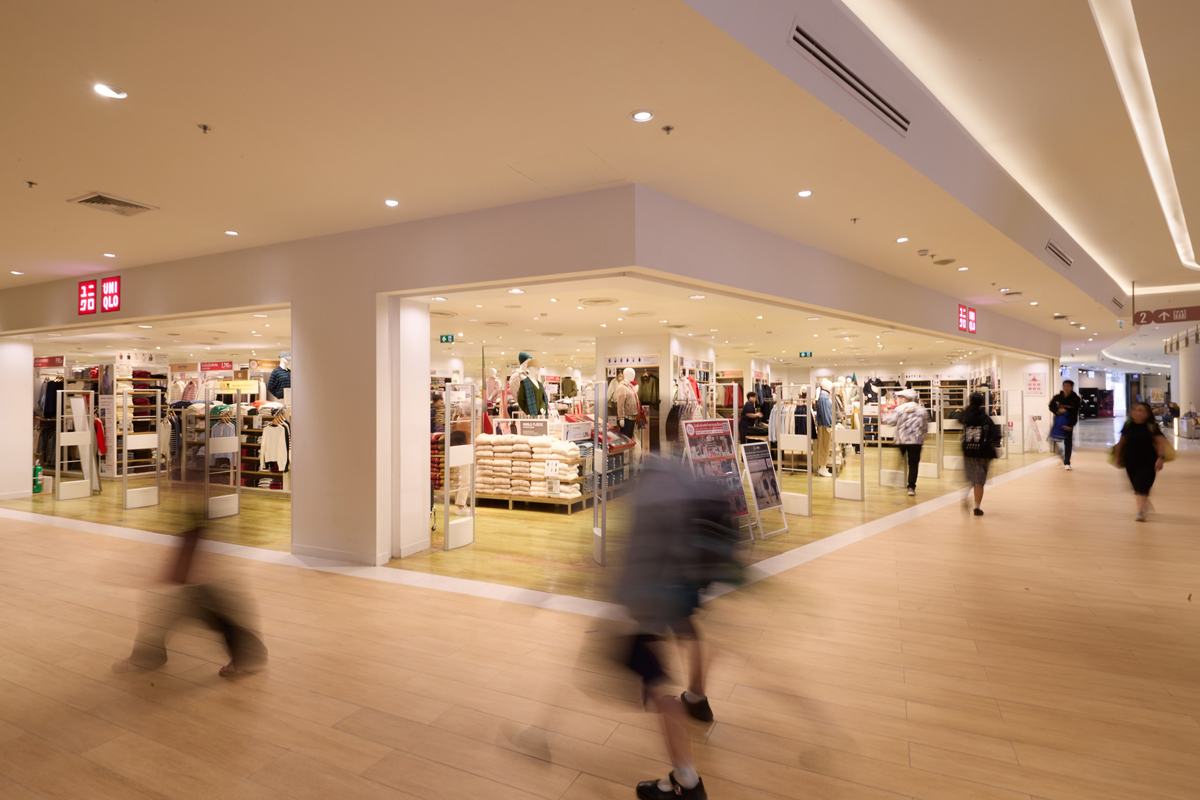
– A curated mix of over 350 leading global and local brands, highlighted by first-in-the-North debuts including CHAGEE, HarborLand, and a MUJI Flagship Store, alongside renowned brands such as Uniqlo and global sports leaders Adidas, Nike, and PUMA, among many others.
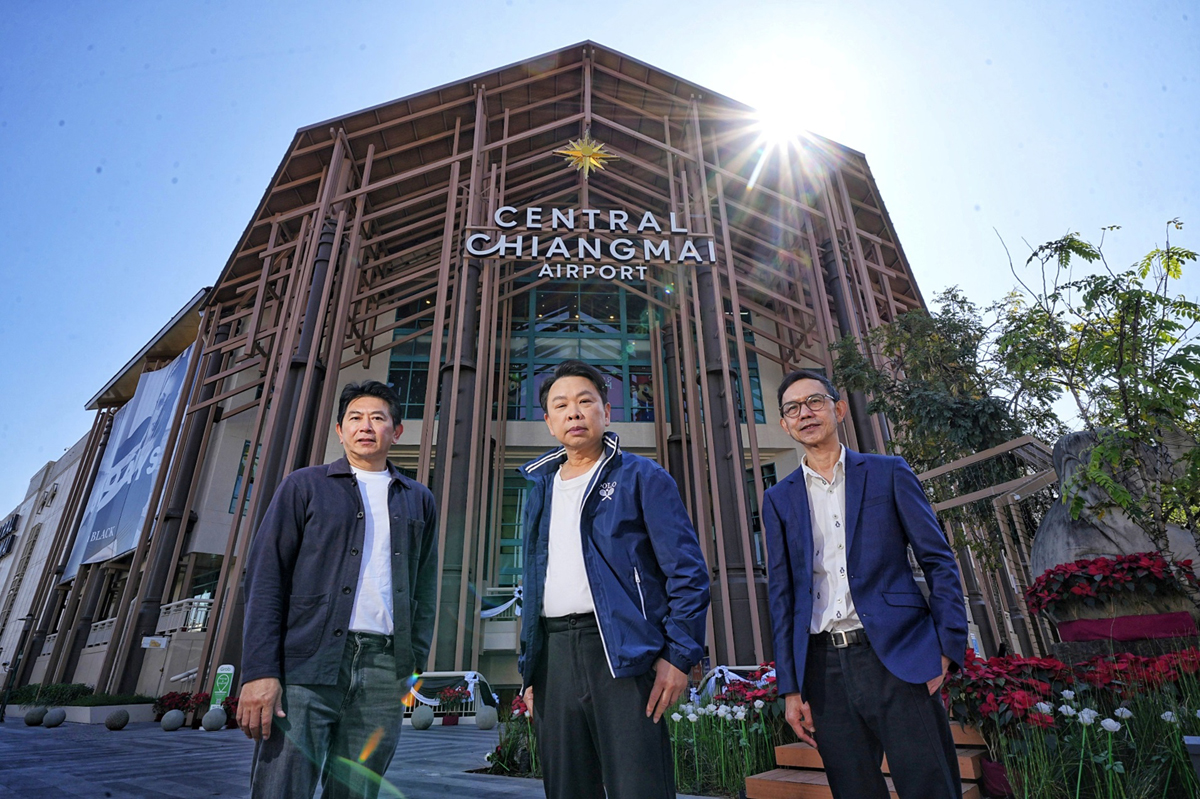
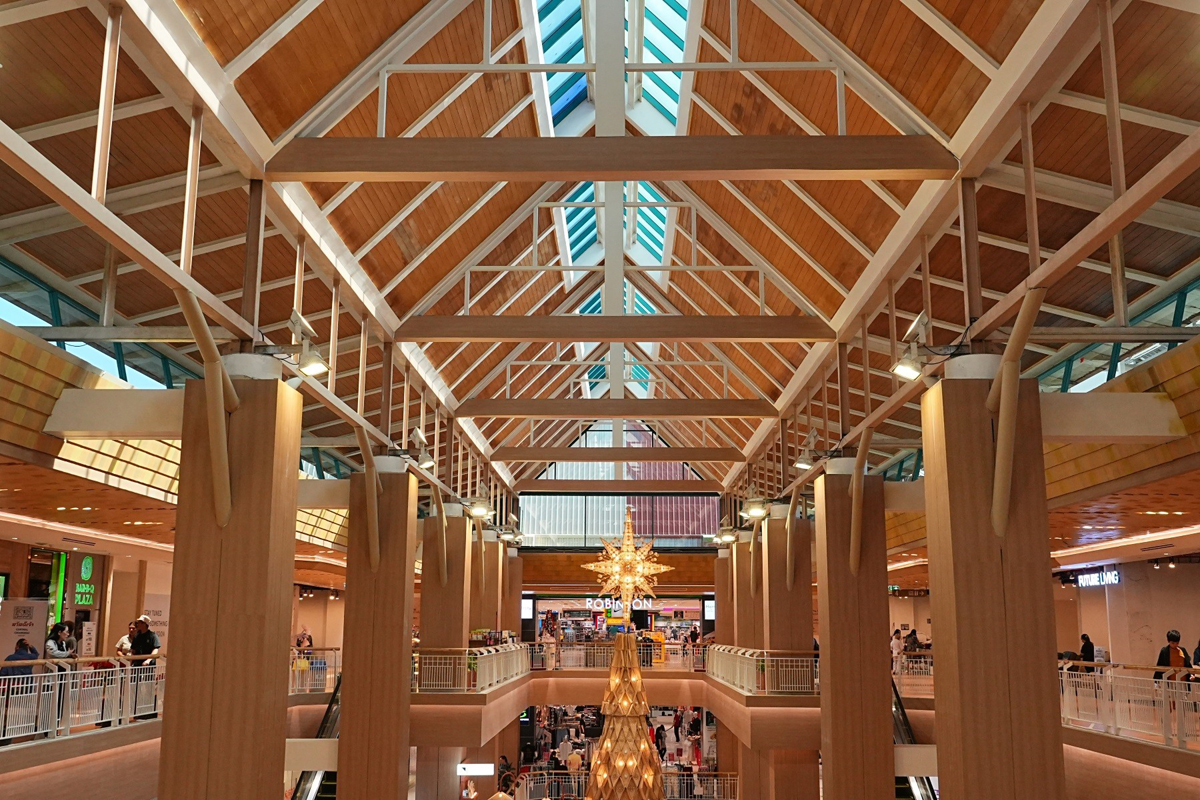
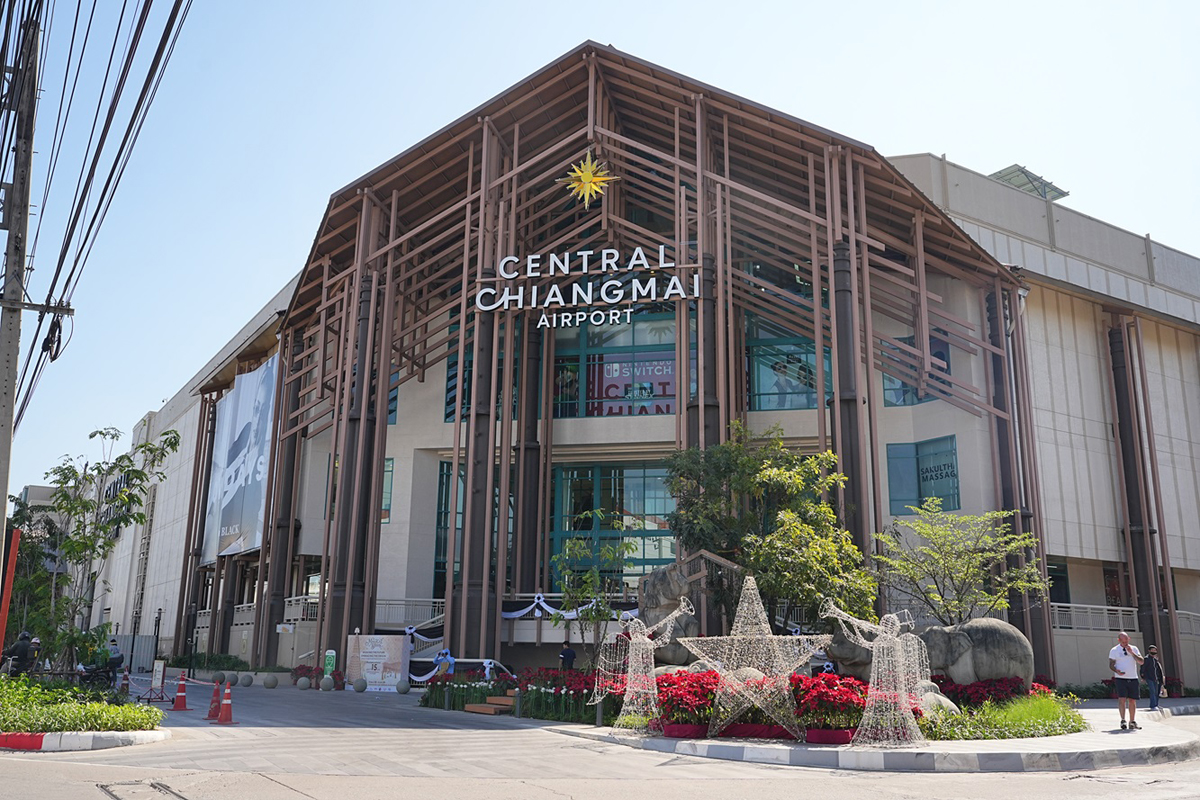
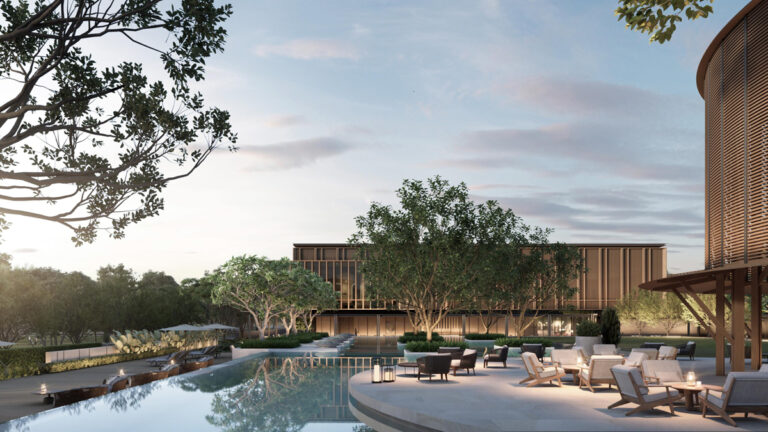
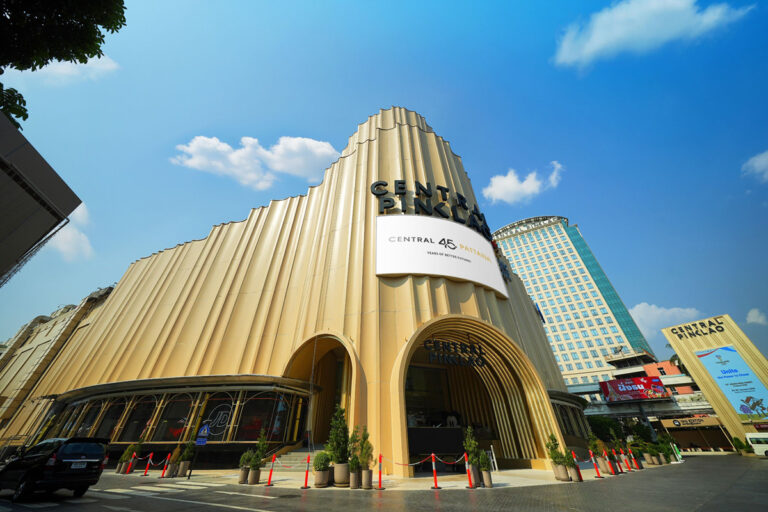
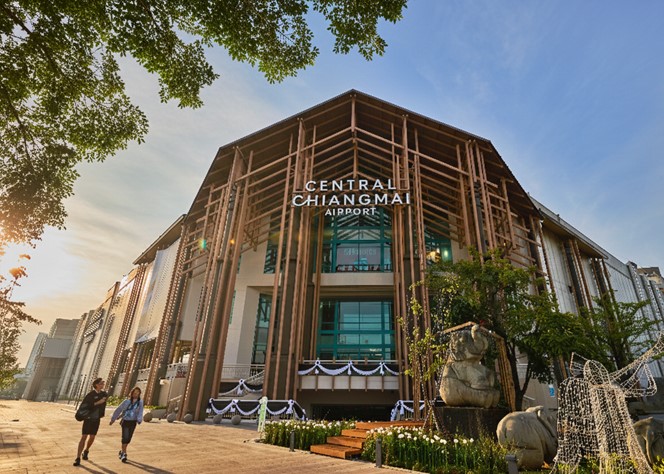
Central Pattana Public Company Limited, Thailand’s leading sustainable real estate developer, has invested THB 1.2 billion to transform Central Chiangmai Airport into a new mixed-use landmark, strengthening Chiang Mai’s position as a high-potential global city. Developed under the “Reimagining Lanna” concept, the project spans over 130 rai with a total GBA of 173,000 sq.m., featuring over 350 global and local brands, a 2,800-square-meter convention hall, a tourist hub with airport shuttle services, multi-generation lifestyle spaces, and GO Wholesale, the first in Northern Thailand, with future plans for hotel and residential expansion, supporting the lifestyles of urban communities and travelers from around the world.
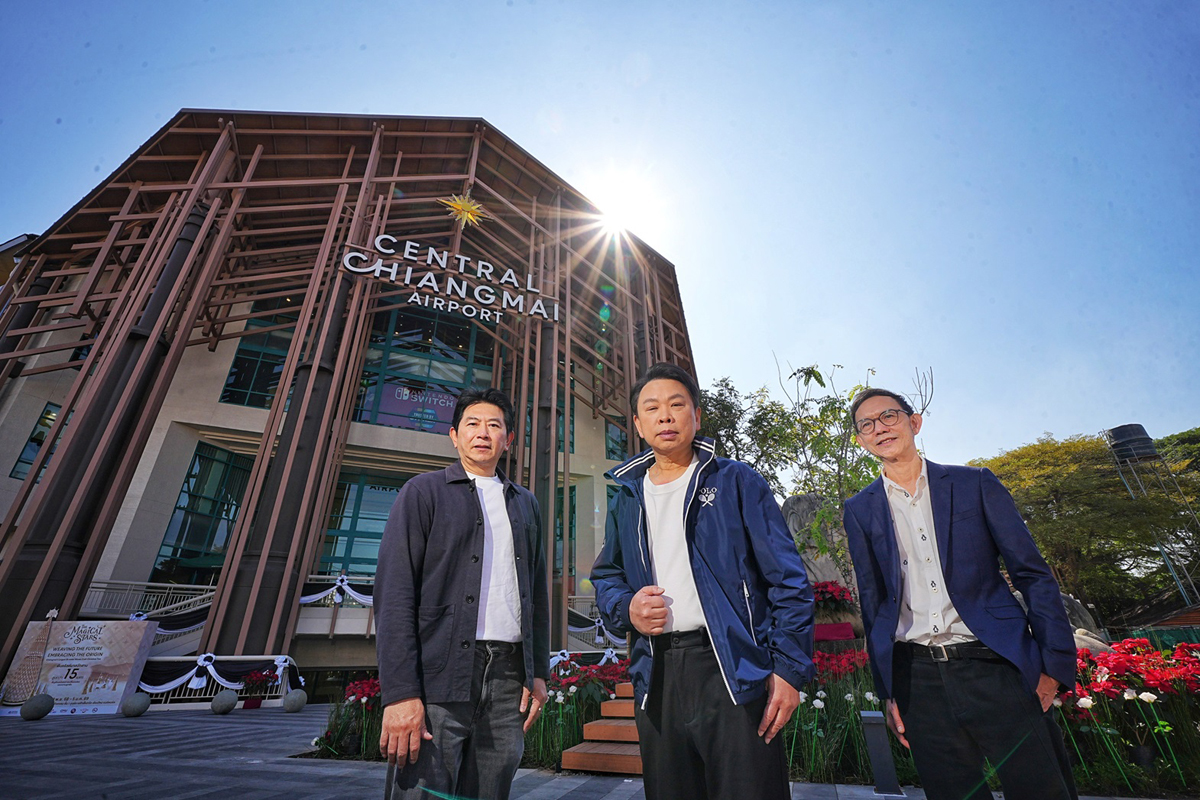
Dr. Nattakit Tangpoonsinthana, Chief Marketing Officer for Central Pattana plc, said: “At Central Pattana, we believe Thailand’s growth goes beyond Bangkok. Our mixed-use developments in key regional cities are designed to enhance quality of life while driving sustainable urban growth. In Chiang Mai, the presence of two shopping centers-Central Chiangmai Airport and Central Chiangmai-functions like complementary pieces of a puzzle, connecting the Old City and the New City to generate cross-spending power and support the city’s growth across all dimensions.”
“Central Chiangmai Airport has been part of Chiang Mai for over 30 years and is located in the southern area, close to the city center, major hospitals, more than 150 residential communities, educational institutions, and just three minutes from Chiang Mai International Airport, the project also connects seamlessly to Hang Dong and Saraphi, areas known for their strong craft communities and local character. As the city’s landscape continues to evolve and expand outward from the urban core, Chiang Mai’s catchment area has grown larger and more sophisticated, driven by rising income levels and evolving lifestyles. The transformation of Central Chiangmai Airport is therefore designed to meet the city’s new demand and elevate the project into a new mixed-use landmark, attracting both domestic and international visitors. In 2025, the center recorded over 13 million visits annually, averaging 38,000 visitors per day, with traffic expected to increase to over 42,000 visitors per day in 2026 and projected to continue growing by approximately 10% annually, while Central Chiangmai primarily serves the city’s northern expansion,” said Nattakit Tangpoonsinthana.
Central Chiangmai Airport targets a customer mix of 70% Thai visitors and 30% international tourists. The top five international source markets are the United States, China, Hong Kong, South Korea, and Singapore, respectively.
Elevating Chiang Mai’s Potential as a Global City to Accommodate Strong Tourism Growth
‘Chiang Mai’ stands as Northern Thailand’s economic hub, covering the largest provincial area in the country and serving a catchment population of over 1.8 million people. According to data from the Chiang Mai Provincial Treasury Office (March 2025), the province recorded a Gross Provincial Product (GPP) of THB 265,000, with GPP per capita at THB 150,000, ranking third in the North and twelfth nationwide. Renowned globally as a leading travel destination, Chiang Mai continues to gain strong international recognition. In 2025, Travel + Leisure ranked Chiang Mai as the Best City in Asia, underscoring its growing appeal on the global tourism stage. From January to October 2025, the city welcomed nearly 10 million domestic and international visitors, generating over THB 87 billion in tourism revenue. The top five international visitor markets to Chiang Mai are China, South Korea, Taiwan, the United States, and Malaysia.

Chiang Mai Enters a “New Growth Cycle” with Multi-Dimensional Expansion
Chiang Mai is entering a new growth cycle, driven by continuous development of infrastructure and transportation systems. By 2026, Chiang Mai International Airport has plans to expand its passenger terminal to accommodate more than 16 million travelers annually, alongside upgrades to the existing terminal. The full enhancement is expected to be completed by 2033, increasing total capacity to 20–25 million passengers per year from around the world. The city ranks among the world’s top three destinations for digital nomads, with over 30,000 individuals, and is home to more than 90,000 expatriates working in the city, as well as over 3,500 retiree expats, making it one of the most preferred retirement destinations in Thailand. These groups are primarily concentrated in inner and middle urban zones such as Hang Dong, Mae Rim, and San Sai. Chiang Mai also stands out as an education hub, ranking second nationwide for the number of international schools.